Dogmatic Nordic liberals v eastern family values: culture-clash drama Fjord touches nerves in Norway and Romania
Cristian Mungiu’s Cannes winner echoes the news story of a Romanian couple whose children were taken by the Norwegian government. As it heads to London film festival, two writers explain how the film exposes real hypocrisies
TL;DR
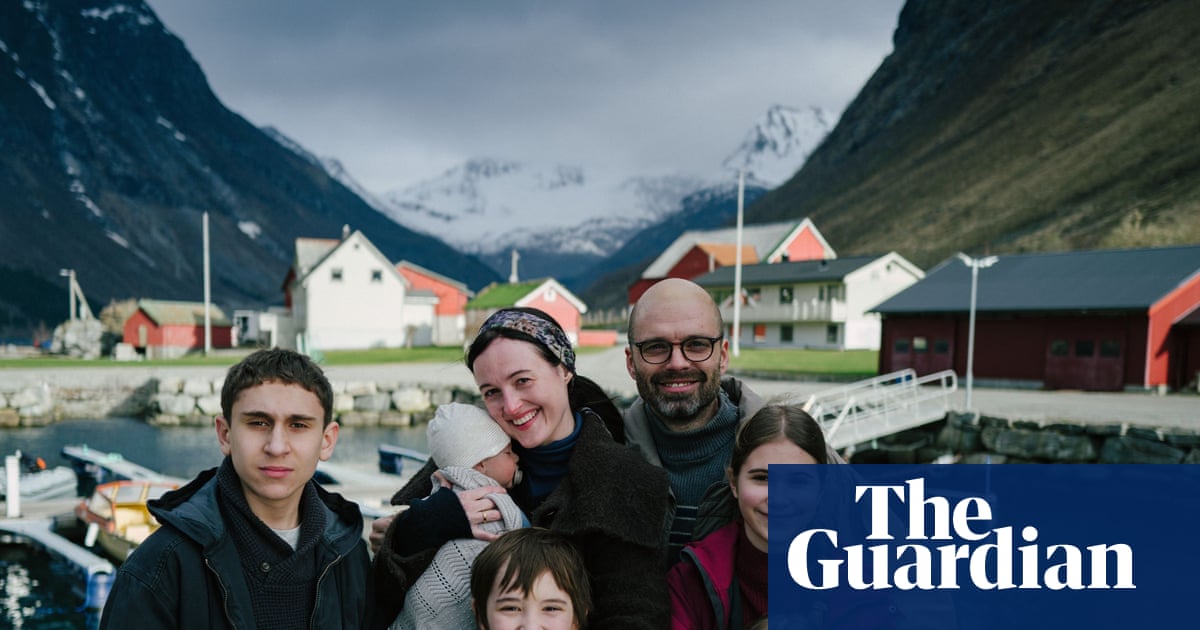
- Cristian Mungiu's film "Fjord" generated extraordinary reception in Romania, drawing parallels to the 2015 case of the Bodnariu family whose children were removed by Norwegian child welfare.
- The film's reception revealed a deep societal division in Romania regarding clashes of values within the EU, particularly concerning child welfare, religious freedom, and liberal versus conservative perspectives.
- Romanian viewers debated whether the film was "dangerously confusing" or subtly critiqued dogmatic liberalism and religious conservatism, exposing anxieties about the EU's contradictions.
- Despite legal bans on corporal punishment in both Romania and Norway, the core of the conflict lies in the persistent societal belief in its efficacy versus legal and doctrinal shifts.
- Critics debated the film's perspective, with some arguing it was a critique of liberalism, while others felt it was sympathetic to religious conservatism and stacked the deck against Norwegian institutions.
- Mungiu's intent to challenge "leftwing fundamentalism" was seized upon by conservatives, though he also condemned its rightwing counterpart, suggesting a nuanced aim to question certainty in belief systems.
- The film prompts reflection on how systems convinced of their own good intentions can fail to recognize when they might be wrong, applying to institutions, families, and governments alike.
- Norway's child welfare system, Barnevernet, has faced criticism and legal challenges, including rulings from the European Court of Human Rights concerning family reunification and cultural identity preservation.
- Reforms in Norway have mandated reunification as a goal, increased parent contact, and emphasized preserving a child's identity in foster care, with "Fjord" depicting the system prior to these changes.
- Discussions about Barnevernet are complicated by strict confidentiality, leading to one-sided narratives and fueling conspiracy theories within activist circles, while also hindering necessary debate.
- "Fjord" is seen as a more nuanced portrayal compared to sensationalist depictions, offering a portrait of a system grappling with its fallibility and the inherent risks of intervention versus inaction in child welfare.