His voice was too queer
Guardian journalism is independent. We earn a commission if you buy something through an affiliate link. Learn more.
TL;DR
- Federico García Lorca is emerging as a significant queer icon in Spain, with his work inspiring performances, films, and discussions.
- Lorca's sexuality was suppressed during his lifetime and in the decades following his death due to the oppressive Franco regime and fear of losing access to archives.
- Biographer Ian Gibson played a crucial role in bringing Lorca's homosexuality to the forefront, despite facing estrangement from the family.
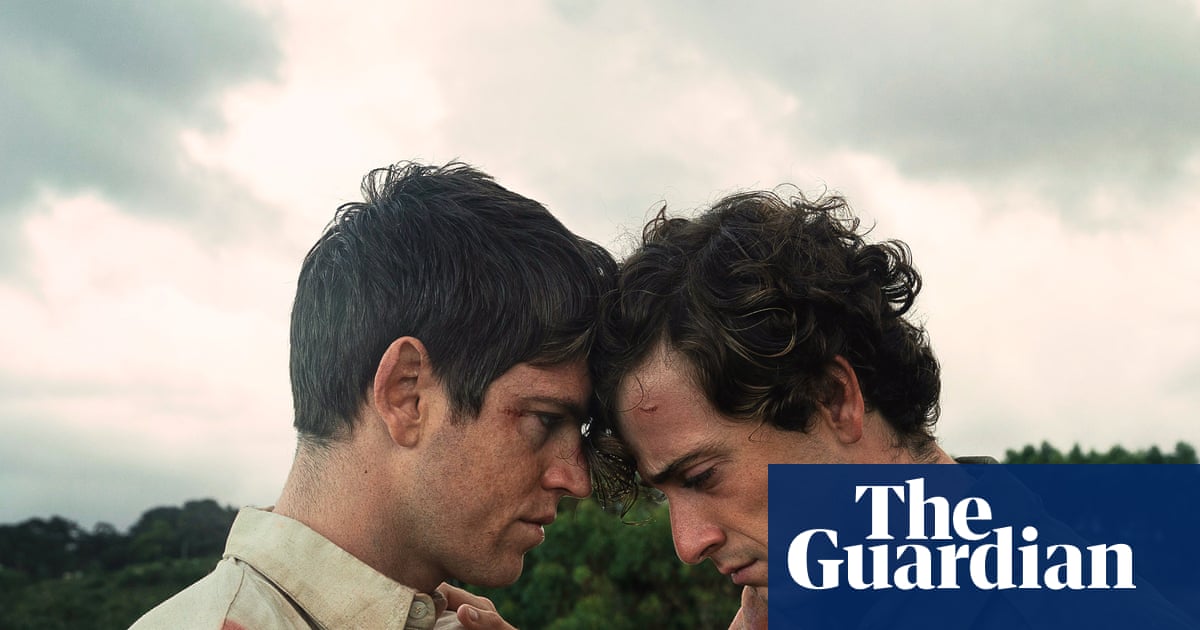
- The recent film "La Bola Negra," inspired by a play about Lorca, has heightened interest in his life and work, especially concerning his queer identity.
- Lorca's legacy is being invoked in contemporary Spanish politics, particularly by Prime Minister Pedro Sánchez, in the context of a cultural and political battle over LGBTQ+ rights.